Contacts

Shelter Afrique Center, Longonot Rd, Upperhill, Nairobi, Kenya

+254 722 393056 / +254 721 757628

Picture23
VeeKenya

Restoring Dignity and Health at St. Miriam Orphanage, Moi’s Bridge

At St. Miriam Orphanage in Moi’s Bridge, small details make a big difference. For the children who live here, having clean and safe sanitation is about dignity, health, and feeling cared for.

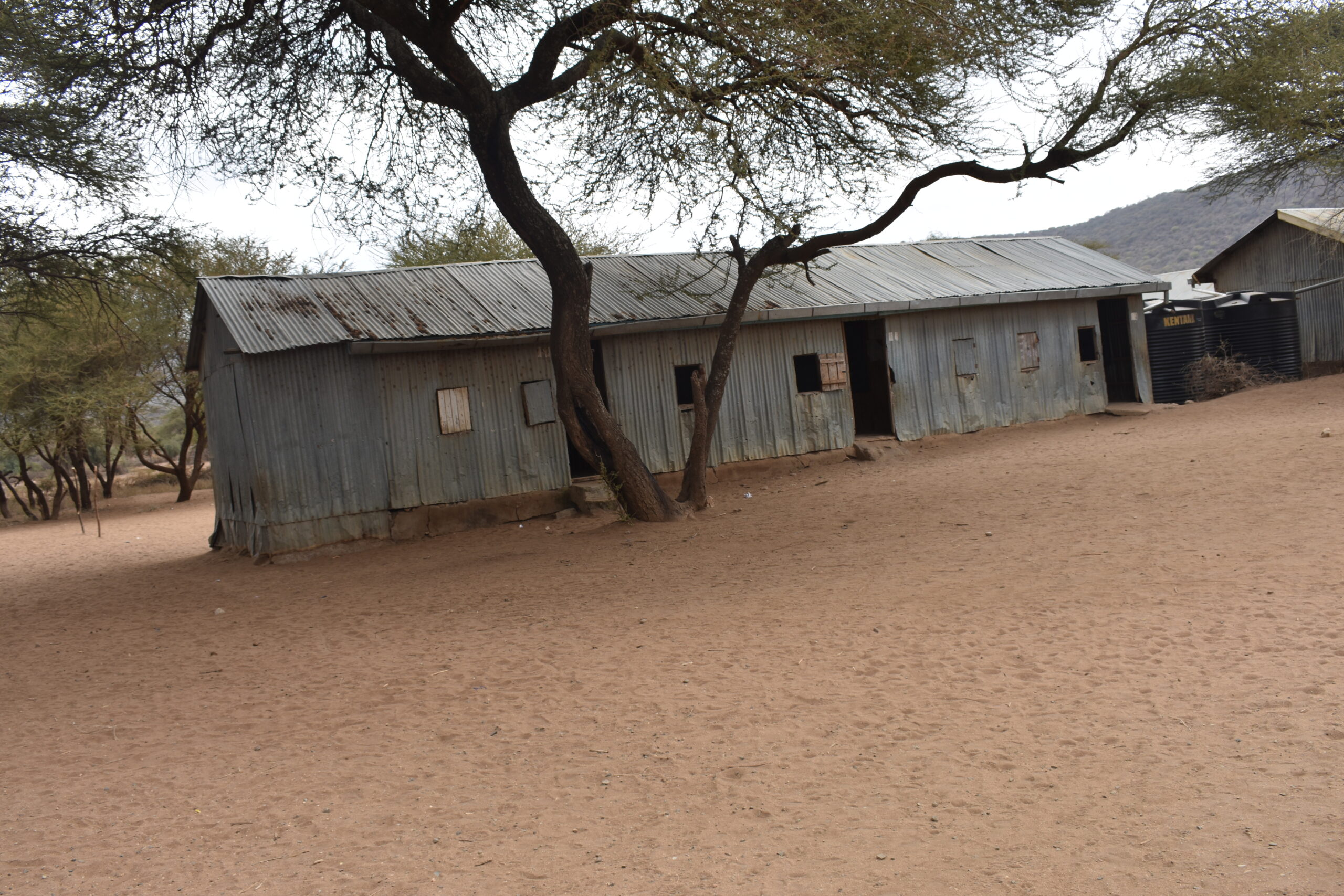
As 2025 ended, the condition of the orphanage’s old toilet facilities was a growing concern. The structures were unsafe, worn out, and no longer met the daily needs of the children and staff. What should have been a basic necessity became a daily challenge.
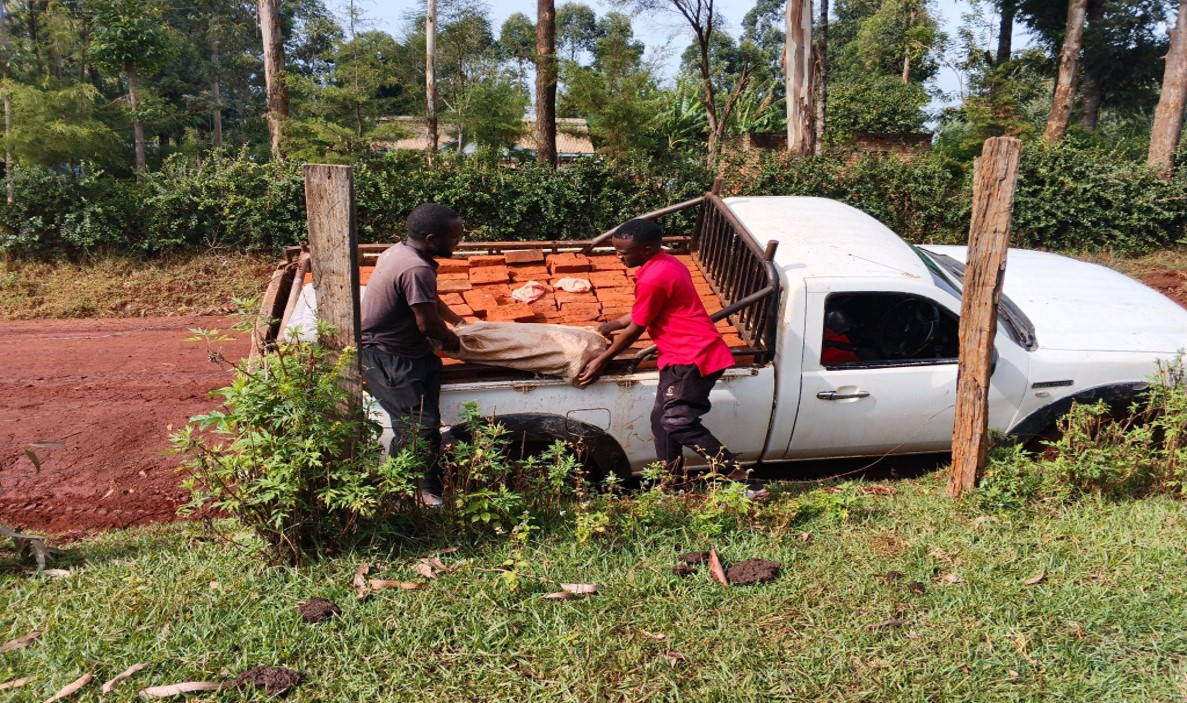
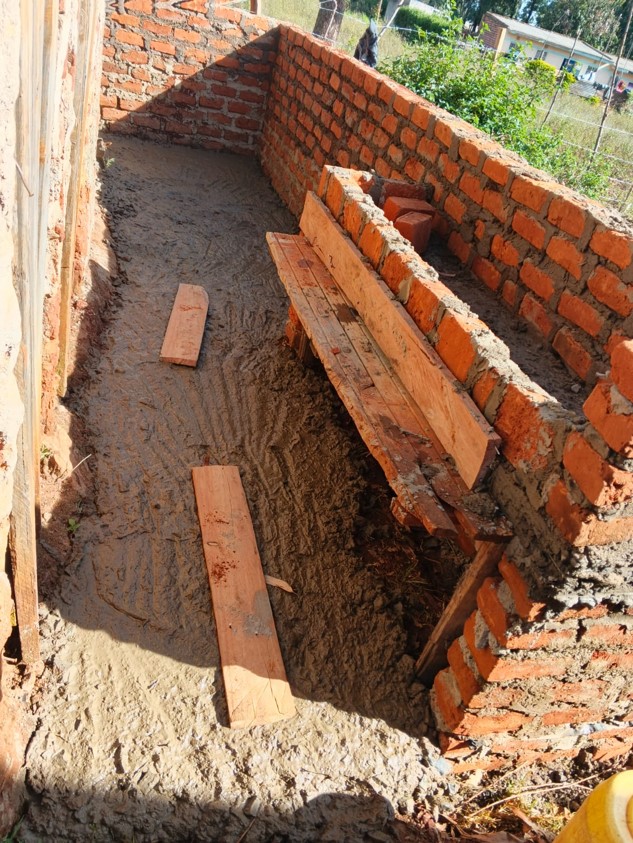
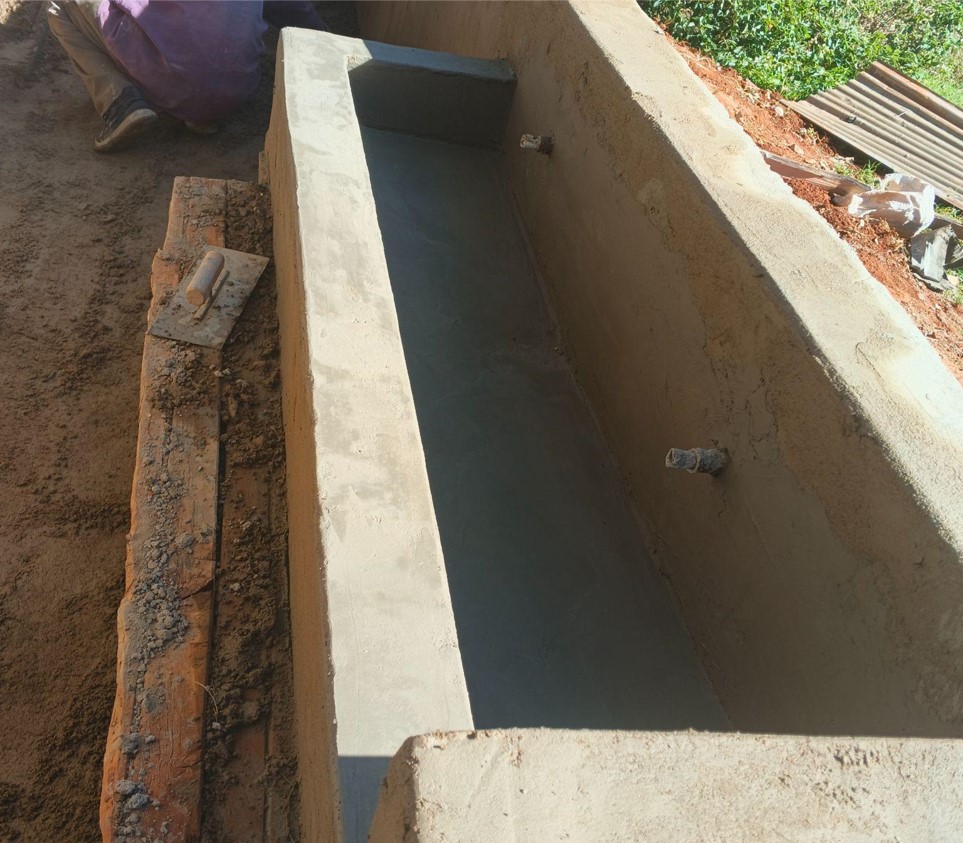
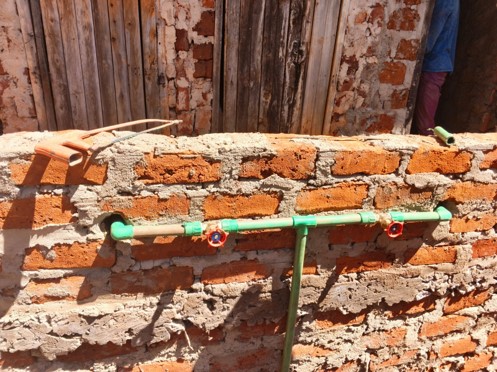
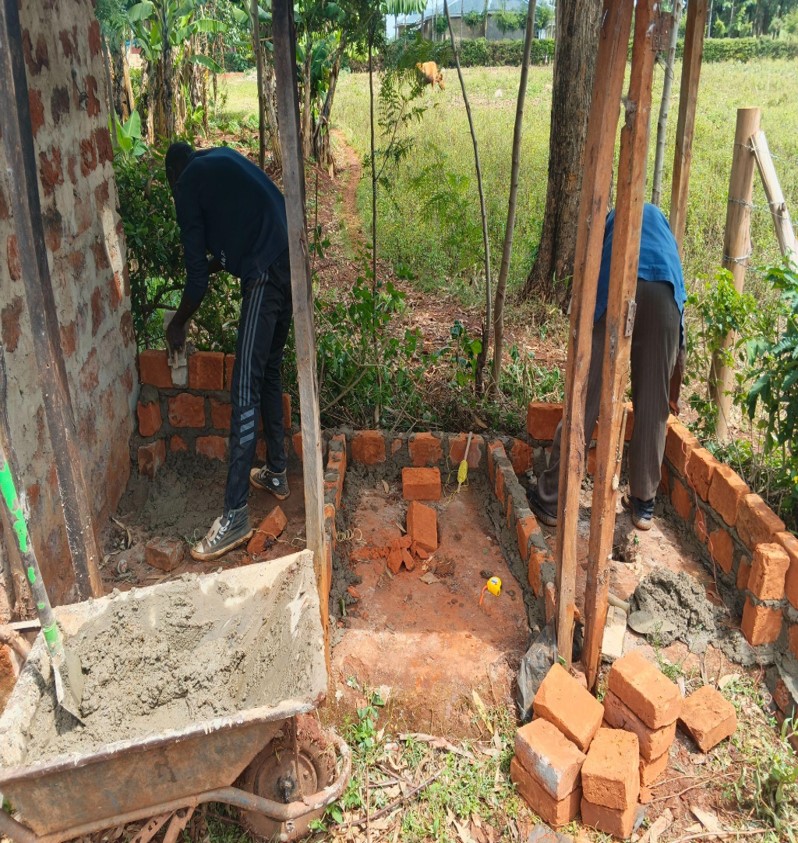
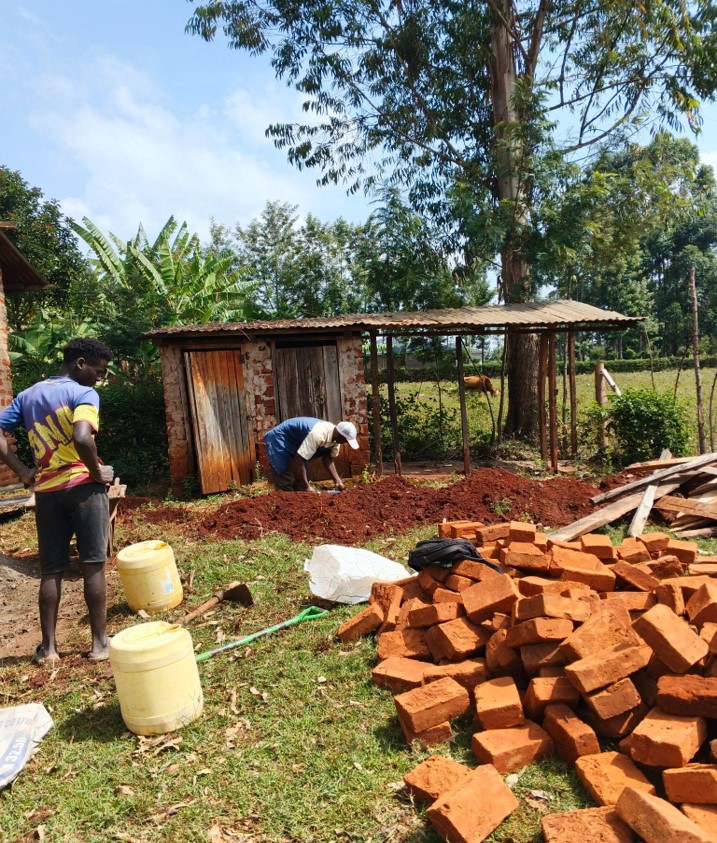
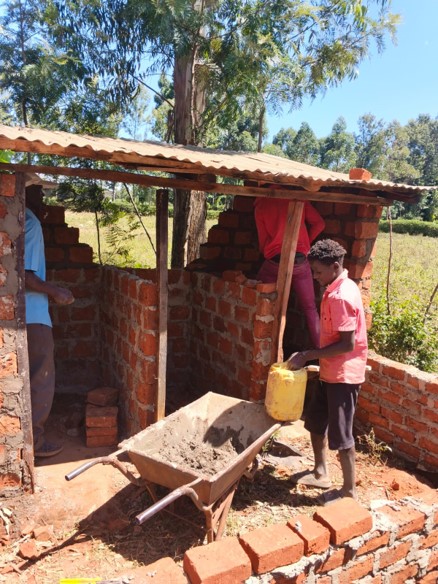
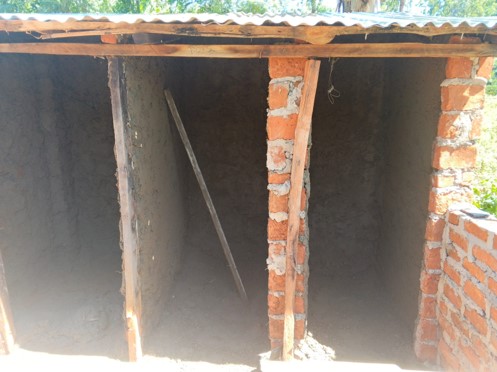
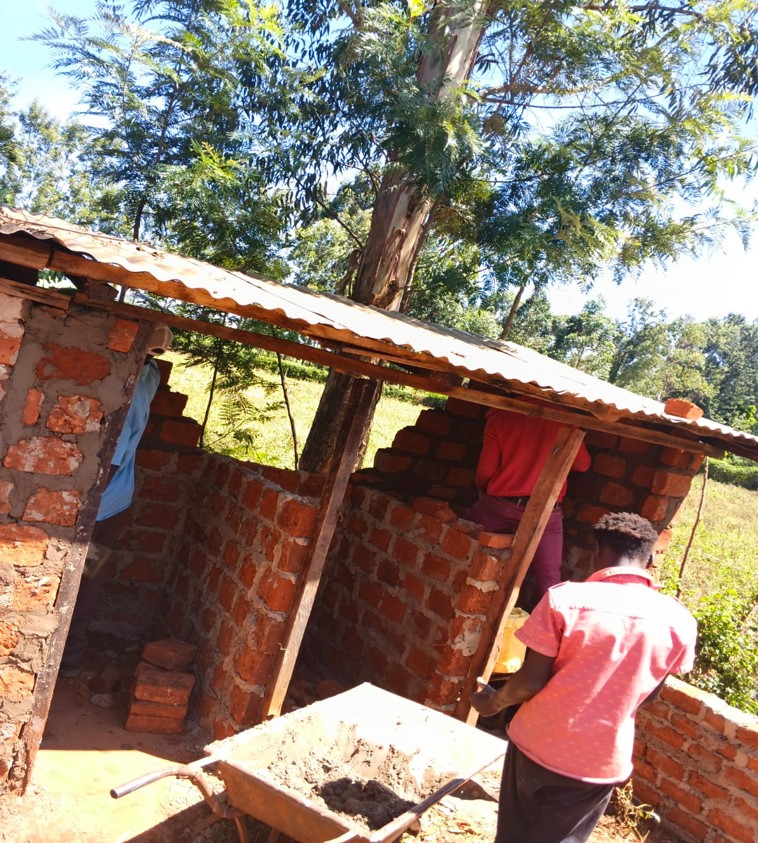
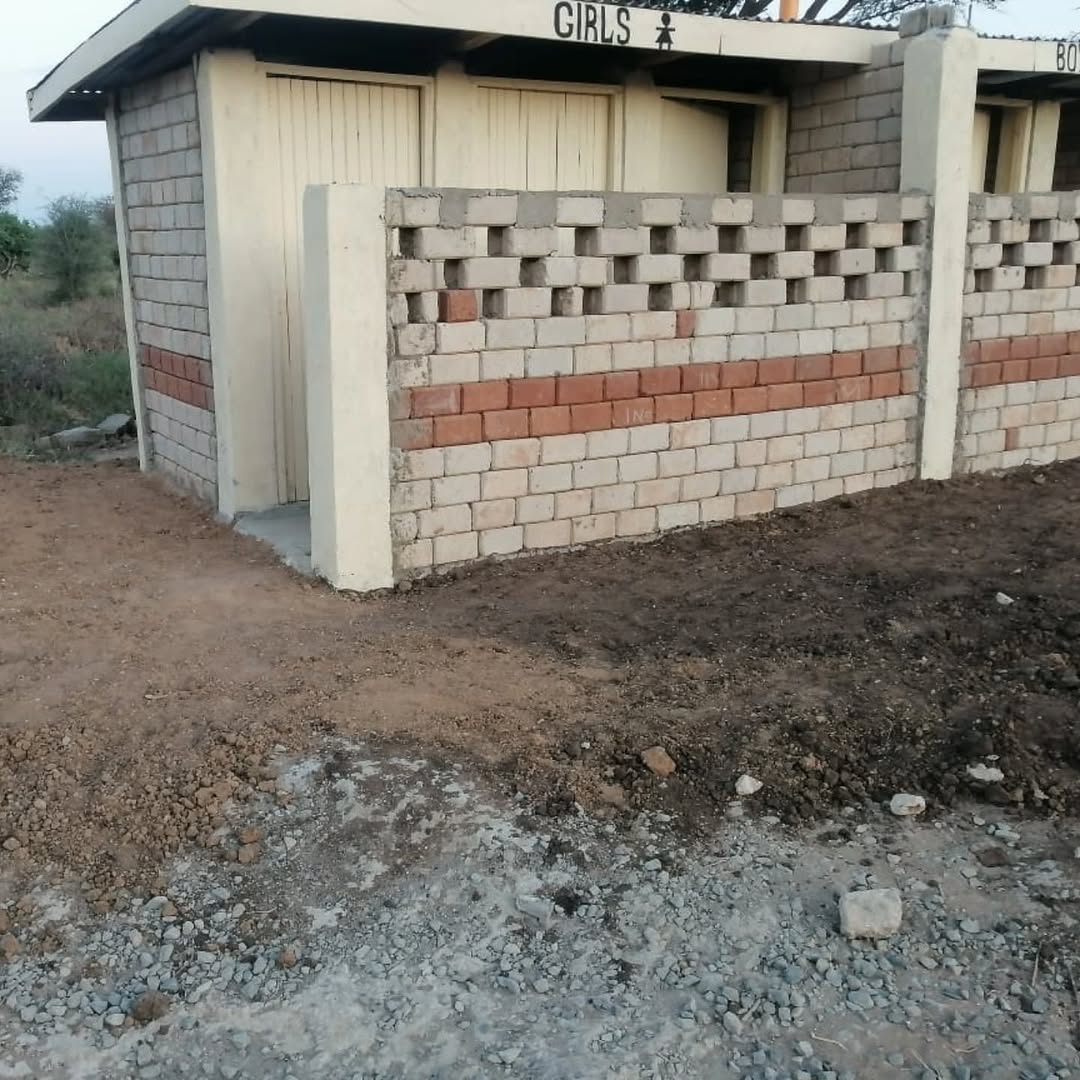
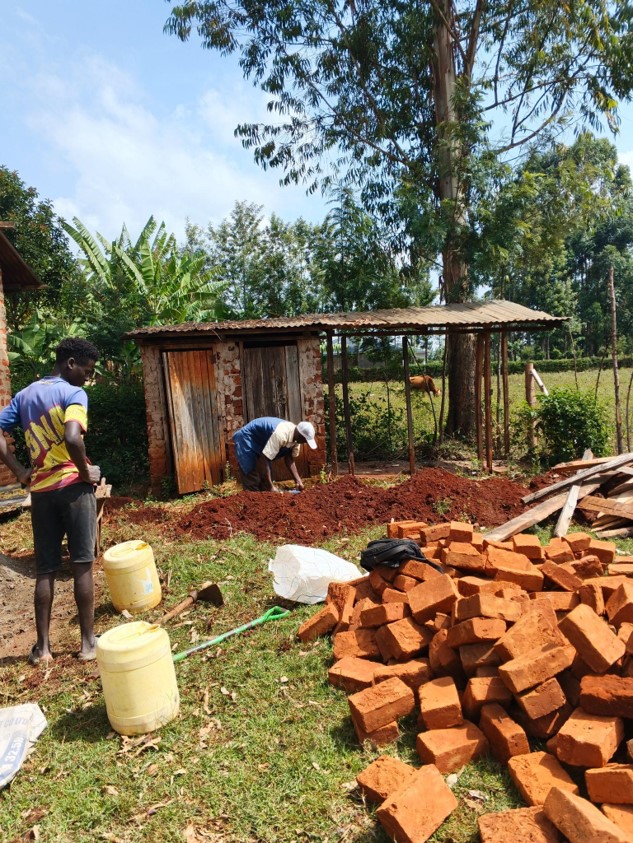
From December 31, 2025 to January 7, 2026, an intensive 8-day renovation project completely changed this situation. The work began with the careful demolition and removal of the old toilet structures. This cleared the way for something safer and stronger. Within days, a solid foundation was laid, new walls were built, and a modern hand-wash basin took shape alongside the toilet block. Plumbing, ventilation, plastering, roofing, and finishing were all done with a focus on durability, cleanliness, and usability.
By the final day, the change was clear. Where there had once been unsafe and deteriorating facilities, there now stood a clean, well-ventilated toilet block with a usable hand-wash basin—bright, secure, and ready for daily use. The space now supports good hygiene practices, reduces health risks, and creates a more dignified environment for the children.
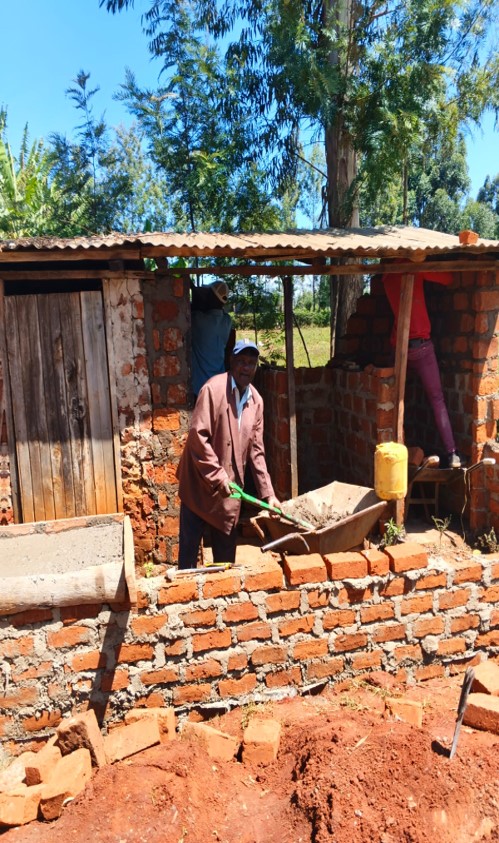
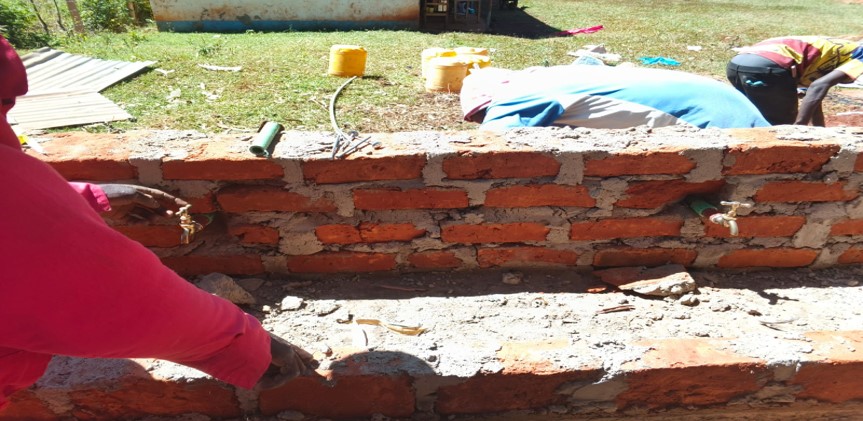
This project may seem simple, but its impact lasts. Safe sanitation protects children from preventable illness, supports their daily routines, and allows caregivers to focus on nurturing instead of constant repairs. It is a quiet but powerful improvement that affects every part of life at the orphanage.

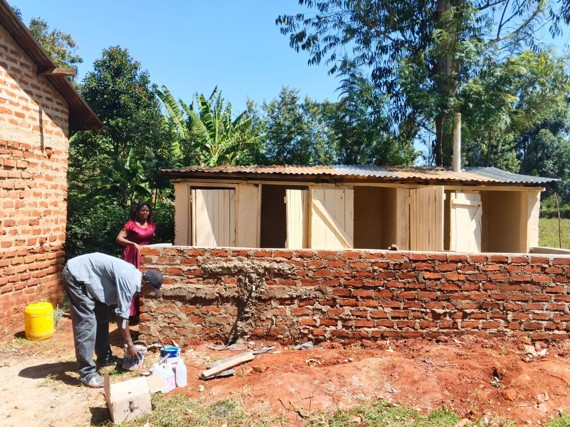
At Village Economic Empowerment (VEE), we believe that real change often starts by meeting basic needs well. The St. Miriam Orphanage sanitation project is a clear example of how focused support can quickly improve living conditions and restore dignity.

WhatsApp Image 2026-01-08 at 20.21.11
VeeKenya

Building Hope Where Water Separates Children from Education

Island Schools Project – Kitufu Island, Uganda

On the islands of Lake Victoria, ambition is not the problem—access is.
For children living on Kitufu Island, education has long been separated from their daily lives by deep, unpredictable waters. Each morning, many children rise early not to prepare for school, but to support their families’ survival. The nearest government schools are located across open lake waters, requiring long and unsafe boat journeys that most families simply cannot afford. For years, this reality meant that education remained out of reach for an entire generation.
Village Economic Empowerment (VEE Kenya), working hand in hand with local partners and the Kitufu Island community, stepped in to change this narrative.

Instead of asking children to cross dangerous waters in search of education, we made a commitment to bring education to the island itself.


Turning Commitment into Construction
The Island Schools Project was born from a shared belief: no child should be denied education because of geography.
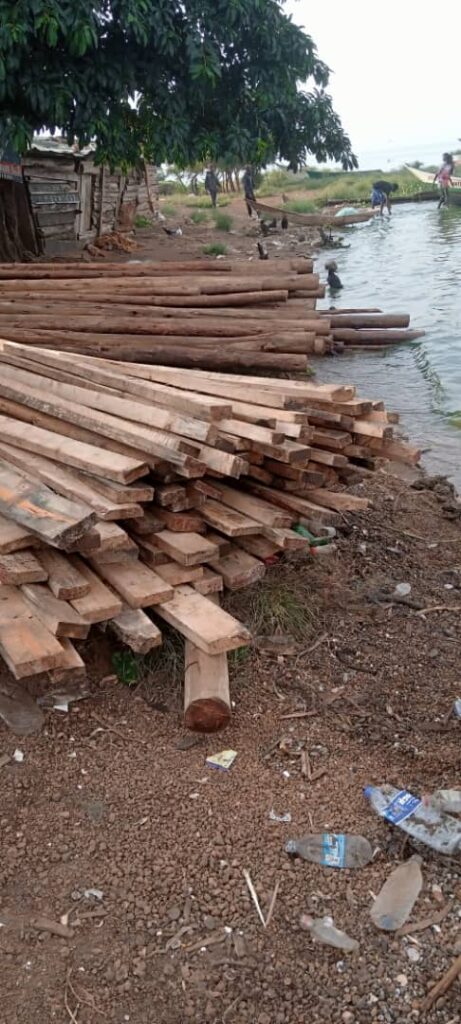
Today, that belief is taking physical form. Despite immense logistical challenges, construction materials—most notably timber—have successfully been transported to Kitufu Island by boat. This marks a critical milestone in a project where every single item must cross water, weather permitting, and at considerable cost.

The timber has to be ferried to the island trip by trip

Every plank visible on site tells a story of partnership:
• Community members who offered labor and local knowledge
• Donors who trusted the vision
• Field teams who navigated transport and logistics
• VEE Kenya’s commitment to inclusive, community-centered development


What the Current Progress Shows
The images from Kitufu Island capture more than materials—they capture momentum:
• Timber delivered and safely staged on the island
• Early classroom structures taking shape
• Local community members actively supporting construction
• The physical beginning of a school where none previously existed

This is not just a building project.
It is access. It is safety. It is dignity.


Why Donor Support Matters Now
Island-based construction is fundamentally different from mainland projects. Materials must be transported in phases by boat, making the process vulnerable to weather disruptions, rising costs, and delays.
Our engineering and field assessments confirm that full upfront funding enables:
• Bulk transportation of materials, reducing repeated boat trips
• Faster construction timelines before adverse weather
• Lower overall project costs
• Reduced risk of stalled or incomplete structures
VEE Kenya upholds strong accountability and transparency systems. All project funds are tracked through:
• Formal receipt acknowledgment
• Detailed expense documentation
• Periodic financial and narrative reports aligned with donor requirements
For us, transparency is not optional—it is foundational.


The Impact We Are Building Toward
Once completed, the Kitufu Island school will:
• Provide access to formal education for island children currently excluded
• Reduce dropout rates caused by unsafe travel and distance
• Offer a stable learning environment aligned with Uganda’s national curriculum
• Become a long-term community asset protected and sustained by local families
Every classroom built on the island changes the future of dozens of children—not by relocating them, but by affirming that they matter exactly where they are.


Call to Action: Be Part of the Beginning
Village Economic Empowerment (VEE Kenya) invites partners, donors, and well-wishers to stand with us at this critical stage. Your support will directly translate into:
• Completed classrooms
• Safe learning spaces
• Trained teachers
• Children seated at desks instead of boats
These images do not mark the end of the story.
They mark the beginning of hope—built plank by plank, across the water.

WhatsApp Image 2025-07-22 at 10.38.51_f517e02c
VeeKenya

The Nancy’s Story

Nancy Karankwa 

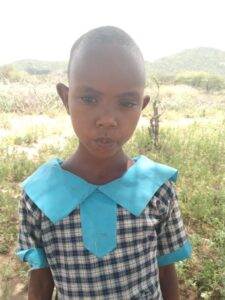
Nancy is in Grade One at Osiligi VEE Primary School, where her curiosity and love for learning shine through each day. She is the youngest in her family and looks up to her elder sibling, who is currently in Form Two at Mataparasha Secondary School.

Nancy’s father, Mr. Karankwa Olishoki, had been unwell for many years, bravely battling cancer since 2008. Despite ongoing treatment at Selian Hospital in Tanzania, his health declined due to complications, with diabetes as an underlying condition, and he peacefully passed away on 2nd July 2025. He has since been laid to rest.

Illness is a heavy burden for a family that barely earns a living and does not have a permanent home. For years, Nancy’s family faced the struggle of traveling long distances without even a small health clinic nearby to ease the pain of his illness.

At home, Nancy now lives with her mother, Emily Karankwa, a hardworking woman who does everything possible to provide for her children. Emily currently earns about 3,500 Kshs per month from selling milk in the community. While this helps cover the very basics, it falls far short of meeting the growing needs of her children’s education and daily living.

Yet Nancy’s world is still filled with dreams—dreams of continuing her education, excelling in school, and one day giving back to her community. To make these dreams possible, we are walking alongside Nancy’s family to bring stability and hope. Plans are underway to support her mother in establishing a small retail shop business, which will create a more secure source of income. This step will not only stabilize the family but also empower Emily to better care for Nancy and her sibling while sustaining their education.

Nancy’s journey is a story of resilience, hope, and potential. With the right support, she can continue to thrive in school and grow into a young leader in her community. By standing with Nancy and her family, we are helping to build a foundation for lasting change.

DSC_0034
VeeKenya

Meet the Jerusalem Group

One of the 35 vibrant community groups formed by Village Economic Empowerment (VEE). With 13 dedicated members, they practice table banking to uplift each other financially and turn small savings into life-changing opportunities. Recently, they took a bold step into farming, leasing a quarter-acre to plant kales as a collective project. Their journey is a powerful example of teamwork, resilience, and creating sustainable livelihoods. Join us as we celebrate their story and impact!”

DSC_0885
VeeKenya

Empowering Women Groups in Kinale and Karangatha

At VEE Kenya, we believe that true community transformation begins with women. Recently, our team visited women leaders from Self-Help Groups (SHGs) in Kinale and Karangatha to share ideas, inspire action, and walk together towards sustainable development.

The women came with great energy, ready to discuss how they can initiate small projects funded by themselves. Our role as VEE Kenya is to stand beside them—supporting their dreams and offering resources that help them grow.

During the meetings, we highlighted how the groups can access and benefit from VEE Kenya’s resources:

  • Tractors to improve farming productivity.
  • A lorry truck to transport produce and connect to markets.
  • Storage systems, including an old storage room that can be revived and transformed into a hub of opportunity.

These resources are made available with a cost-sharing approach for fuel, wear, and tear, ensuring sustainability and accountability.

The discussions were guided by Elvis and John, who encouraged the women to take bold steps in leadership and growth. We also shared our guiding principles, SPEC, which emphasize empowerment, generosity, and unity.

By the end of the meetings, hope was renewed. The women leaders left with a stronger vision—not just for themselves, but for their families and entire communities.

At VEE Kenya, we are proud to walk alongside them as they build communities of strength, hope, and shared prosperity.

VEE OSILIGI PRIMARY SCHOOL
VeeKenya

VEE Kenya Mid-year Report

Village Economic Empowerment (VEE) – Mid-Year Report 2025 Summary

VEE continued to strengthen education, agriculture, and community livelihoods despite environmental and economic challenges.

  • Child Sponsorship: Expanded to 425 children across Karangatha, Kinare, and Bisil, with a waiting list of 46. Updated sponsorship records with missing photos and adopted a family-based enrollment approach.

  • Education Support: Infrastructure upgrades at Osiligi VEE Primary School included new classrooms, a library, teachers’ quarters, and repairs. Bursary and fee support ensured uninterrupted learning.

  • Agriculture: Potato production in Kinare and Karangatha completed three planting cycles, with best yields in Season 2. Diversification into kales, peas, and carrots is underway to mitigate climate and pest risks. Thrive gardening and greenhouse use adapted to drought conditions.

  • Value Addition: Partnered with KIRDI to train farmers in potato processing, packaging, and KEBS certification to access higher-value markets.

  • Livestock Rearing: Self-help groups in Ilbisil expanded goat and cow herds, with proposals to fund a computer training center through livestock sales.

  • Child Welfare: Ongoing medical and nutritional support for sponsored children, including tailored care for special cases.

  • Family Livelihood Support: Initiatives to help vulnerable households, such as supporting widows to start small businesses.

We hope to: Secure borehole pumping rights, complete KEBS certification, expand agronomist training, and promote SHG savings for sustainability.

IMG-20250803-WA0022
VeeKenya

How VEE Kenya transforms the lives of smallholder farmers through practical, sustainable solutions.

Training: Farmers are trained in climate-smart agriculture, organic practices, and agribusiness through the VEE Training program and CBK field schools. Inputs & Tools: They gain access to quality seeds, fertilizers, and modern equipment like drip irrigation kits and tractors. Market Access: VEE and CBK connect farmers directly to buyers, helping them earn better profits without relying on middlemen. Financial Support: Through savings groups, table banking, and microloans, farmers receive funding to expand their operations.

Demonstration Farms: Farmers learn through real-life examples on demo plots showcasing improved practices. Youth & Women Focus: Special programs target women and young farmers to engage them in modern, income-generating agriculture. Together, VEE and CBK help farmers move from subsistence to profitable, sustainable farming.

IMG-20240716-WA0064
VeeKenya

VEE Farming Initiative – Empowering Communities Through Sustainable Agriculture

he VEE Farming Initiative is transforming lives in rural Kenya by promoting sustainable, community-driven agriculture. Through this program, smallholder farmers—especially women and youth—are gaining access to training, tools, and markets that help them boost productivity and income.

By integrating innovative practices such as organic farming, climate-smart techniques, and beekeeping, the initiative not only improves food security but also restores dignity and self-reliance within our communities. VEE Farming is more than just growing food—it’s about cultivating opportunity, resilience, and hope for a better future.

IMG-20250722-WA0023
VeeKenya

Help Us Build a Brighter Future, One Classroom at a Time

In the heart of Kajiado County, where the land stretches wide and dry under a relentless sun, children wake before dawn. They walk along thorny paths, past grazing zebras and dusty trails, making their way for miles while watching for wild animals. They do this not just to fetch water, but to reach something just as valuable: education.

This is the reality for children like Sankei, a young boy whose story you can watch here. His daily journey reflects the dreams these children hold in their hearts. They dream of reading, learning, and becoming more than their circumstances

Six years ago, Osiligi was just an idea; it was less a school and more a hope. A few desks were lined up under the rusted roof of a tin church. But the vision was clear: to bring education to children who were left behind, too far from the nearest school and too at risk from the journey.

Through community effort, support from donors, and partnerships with government and NGOs, Osiligi has grown. Today, it is a registered public school serving students up to Grade 4. Dozens of children have passed through its doors, some for the very first time in their family’s history.

The Children have an ablution block

A School That Grew From Hope

We need more teachers to handle the student-teacher ratio

Every year, as children graduate to the next class and  grow older, the school runs out of space for them. Many drop out. Others face long, dangerous commutes—especially girls, who are more vulnerable to early marriage and other risks.

They are willing and ready to actualize their dreams to levels of today’s standards of academic excellence.

Sankei and His sister are growing ever since PP1 and their resilience is absolutely phenomenon.

But we are not done.

The Next Step: Grade 5 to Grade 9, about four more classes are required to accommodate this important expansion of the school which mean we are retaining learners in good numbers

We need your help to change this.

We are expanding Osiligi to Grade 9 to keep our children safe, in school, and learning. To do this, we urgently need classes and capability to remunerate our teachers.

A New Classroom – $11,000 

A Teacher’s Salary for One Year – $2,500 

These are not just numbers. Each donation brings us closer to a world where every child, no matter where they are born, has access to knowledge, dignity, and opportunity.

The space for development is generous and the community is happy to have their children achieve greatness through VEE Osiligi Primary School

We invite volunteers and many more to partner with us and see a Maasai child go to the higher heights

What Your Gift Means

A new classroom means no child will be turned away because we ran out of space.

A teacher means quality learning and guidance that can change lives.

Your donation means more children like Sankei can stay in school, dream bigger, and break free from poverty.

You Can Help Today 

Build a Classroom

Sponsor a Teacher

elvis trip 2
VeeKenya

The Wellspring of Hope: A Story from Osiligi Primary School 

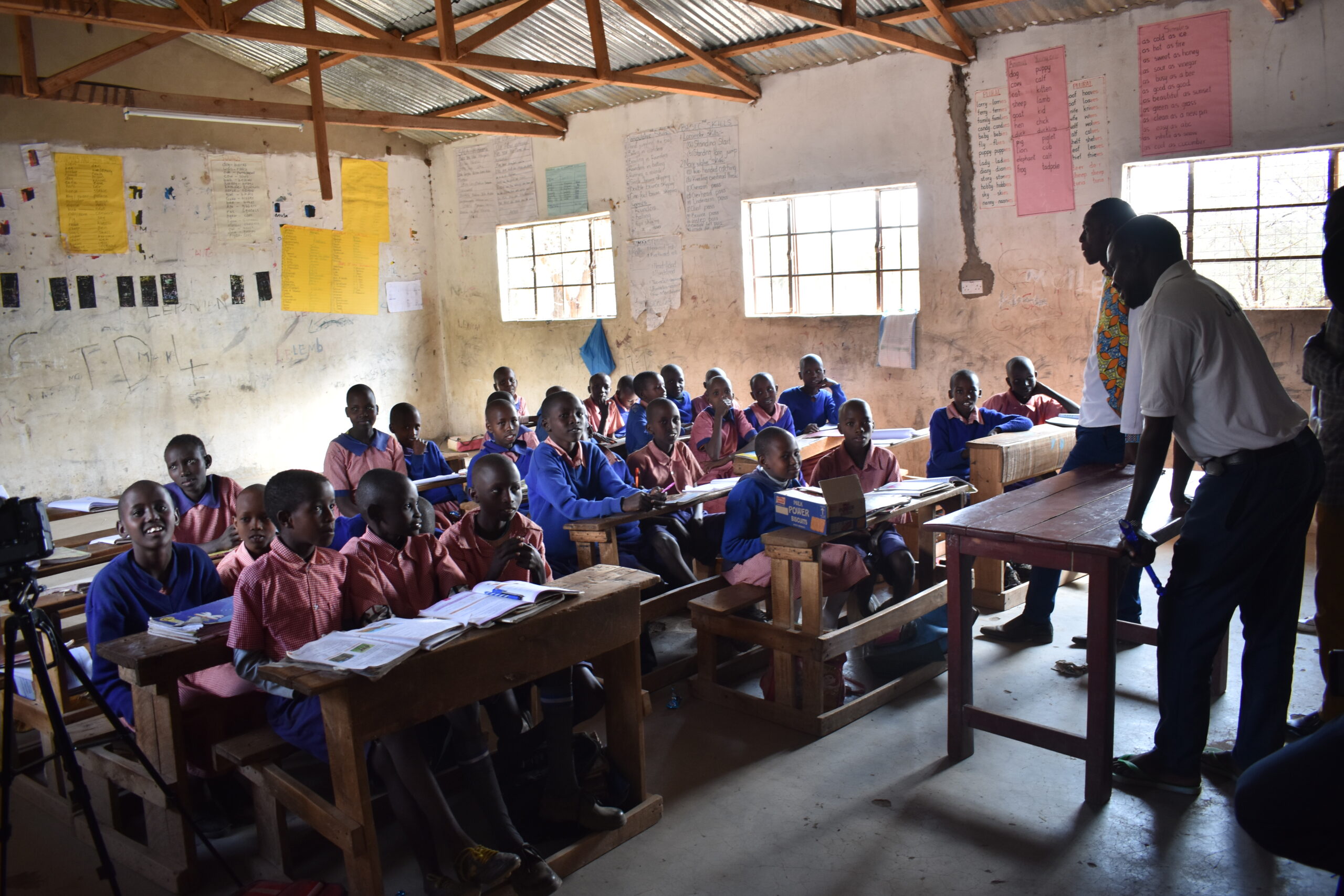
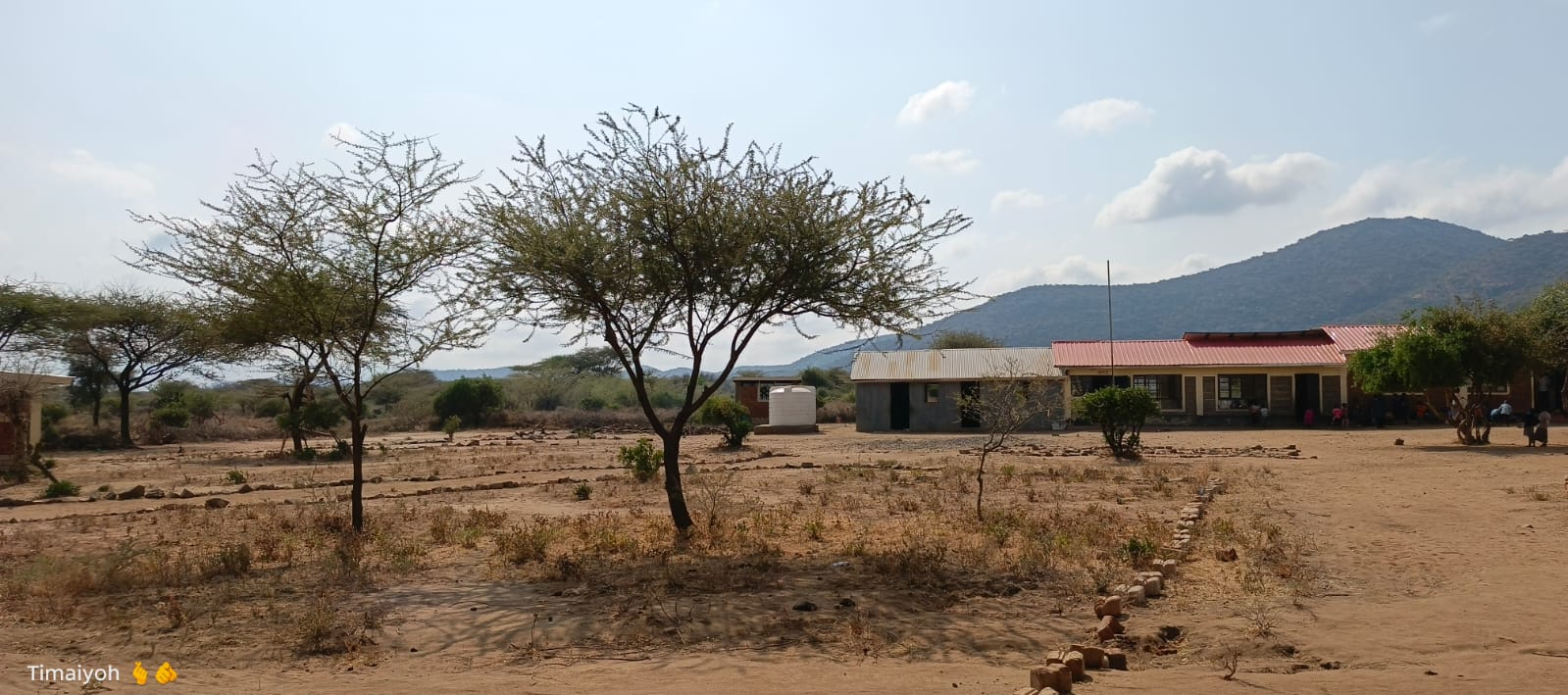
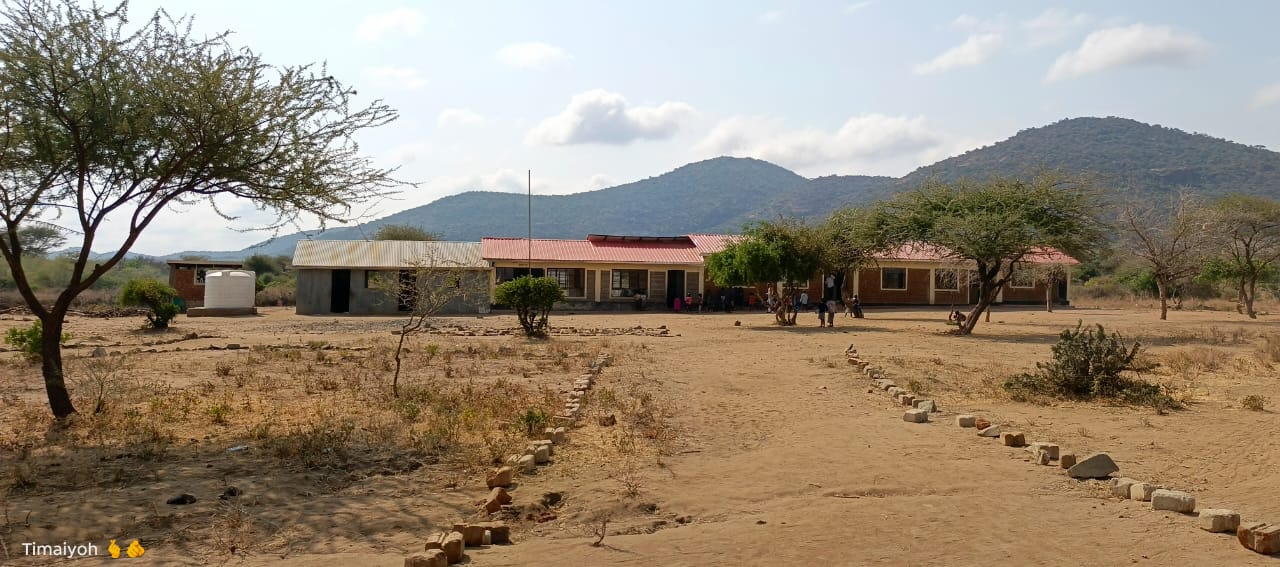
In the heart of Ilbisil, Kajiado County, stands a small public school with named—Vee Osiligi Primary School. The name “Osiligi,” meaning hope, is both a prayer and a promise. Serving around 200 young children from PP1 to Grade 3, this community school is where resilience and hardship meet head-on each day.

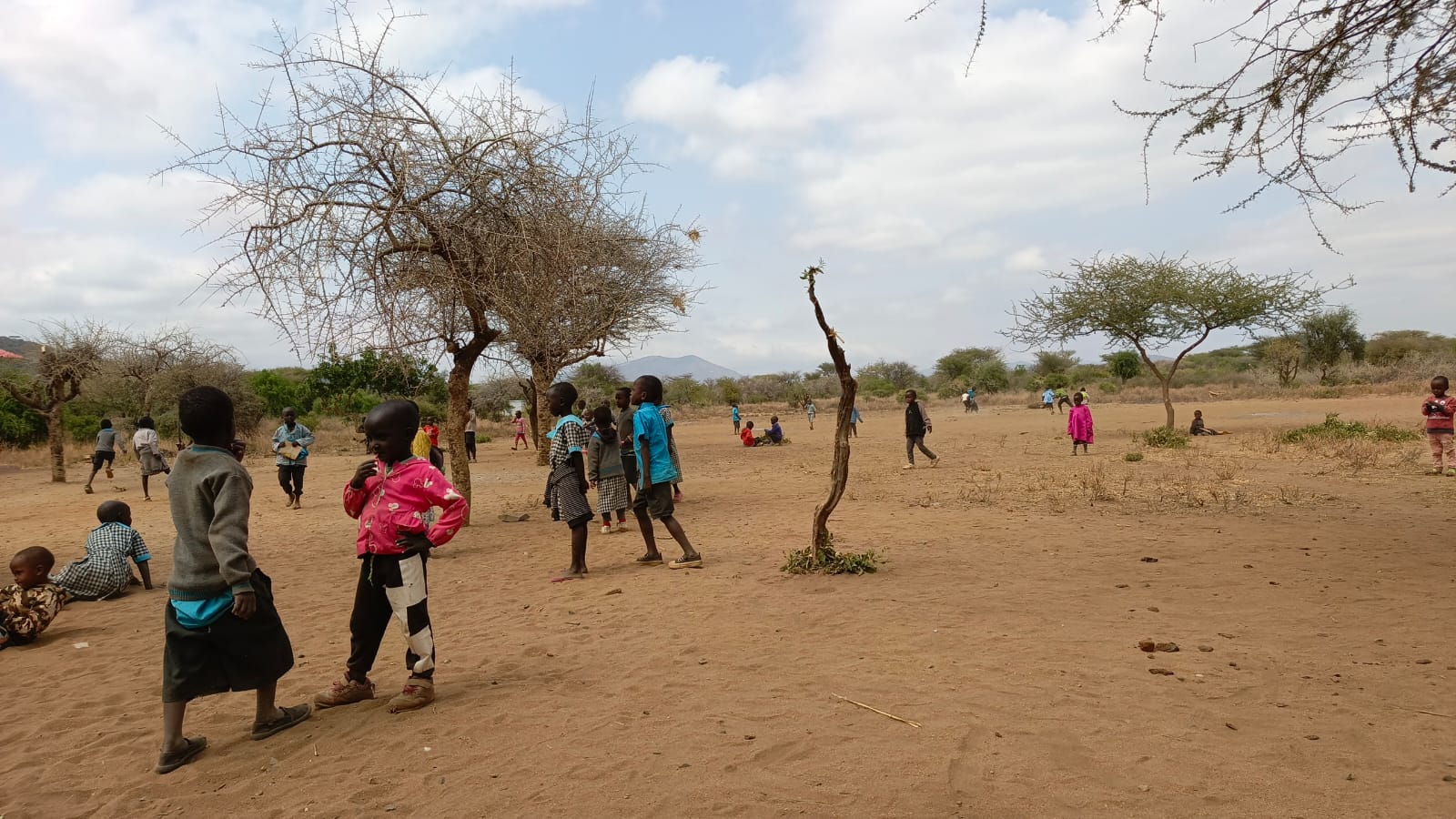
Under a scorching sun, and through seasons where rain rarely falls, children walk from distant villages to reach the school. Their journey is perilous—encounters with wild animals are not uncommon. Yet they come, carrying empty stomachs and dreams bigger than their surroundings.

There is no electricity at Vee Osiligi Primary School. Classrooms are dim, and learning stops when the sun sets. A solar power system is urgently needed to light up both the school and the minds within. Water, too, is a daily struggle. With the long-standing drought, the school depends on a small, unreliable tank. A sustainable solution like a borehole would transform not just the school, but the entire community.
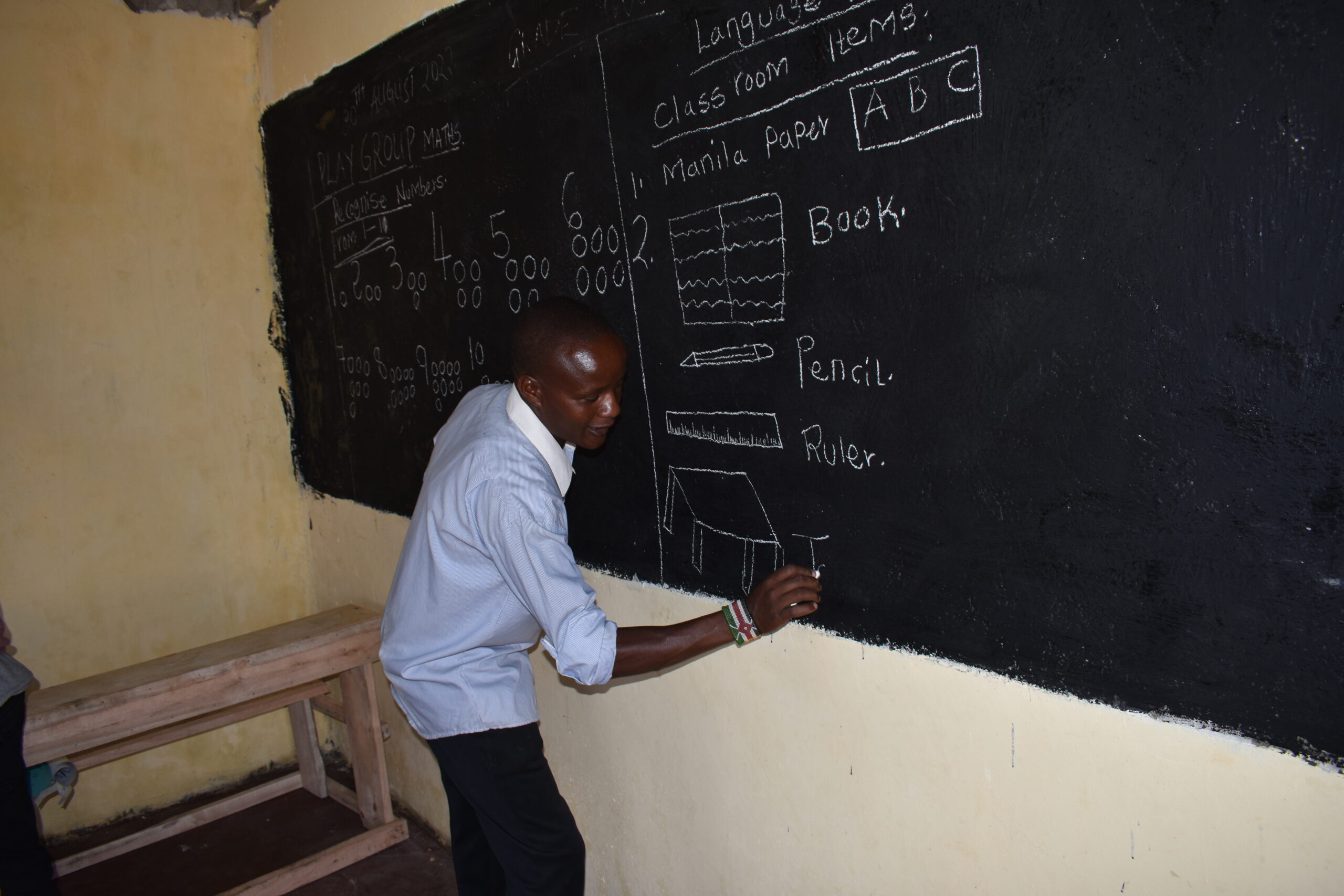
Inside the classrooms, students share torn books. Many wear worn-out clothes or come barefoot. School uniforms would restore dignity and unity. The teachers, passionate but overstretched, do their best with the little they have. More books—storybooks, math sets, atlases—would open worlds beyond the dust that surrounds them.
 

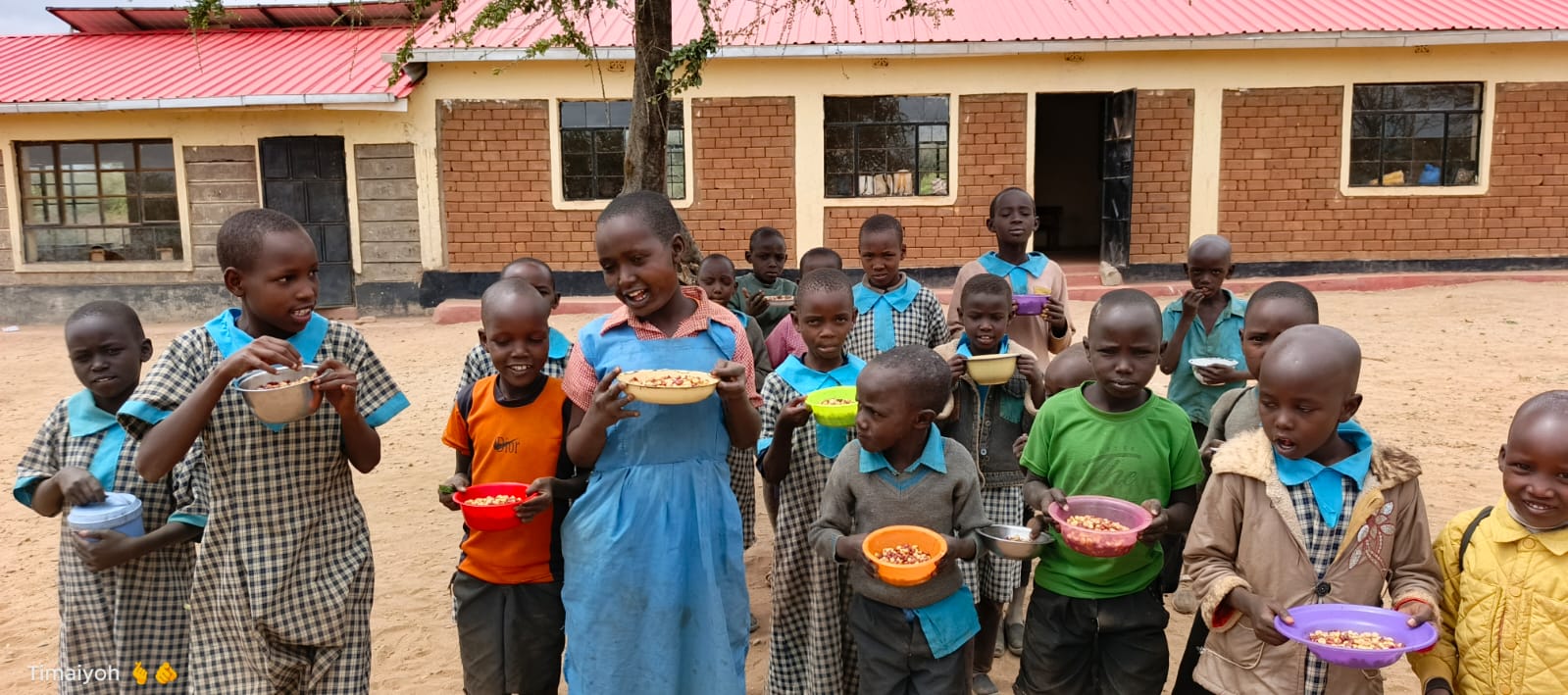
The lack of rain has not only dried up rivers but also emptied lunch bowls. Children cannot concentrate on empty stomachs. A kitchen and feeding program are essential—not just to nourish, but to keep children in class and out of danger.
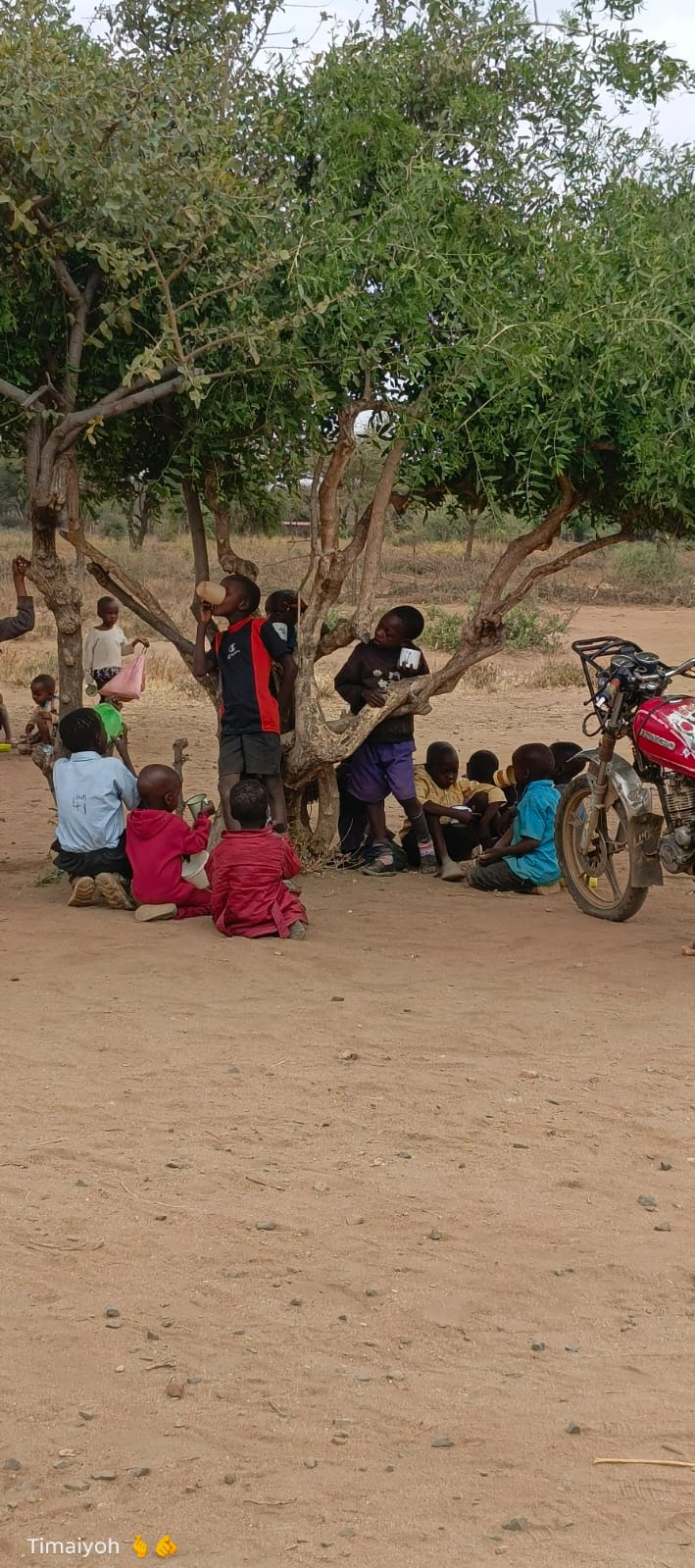
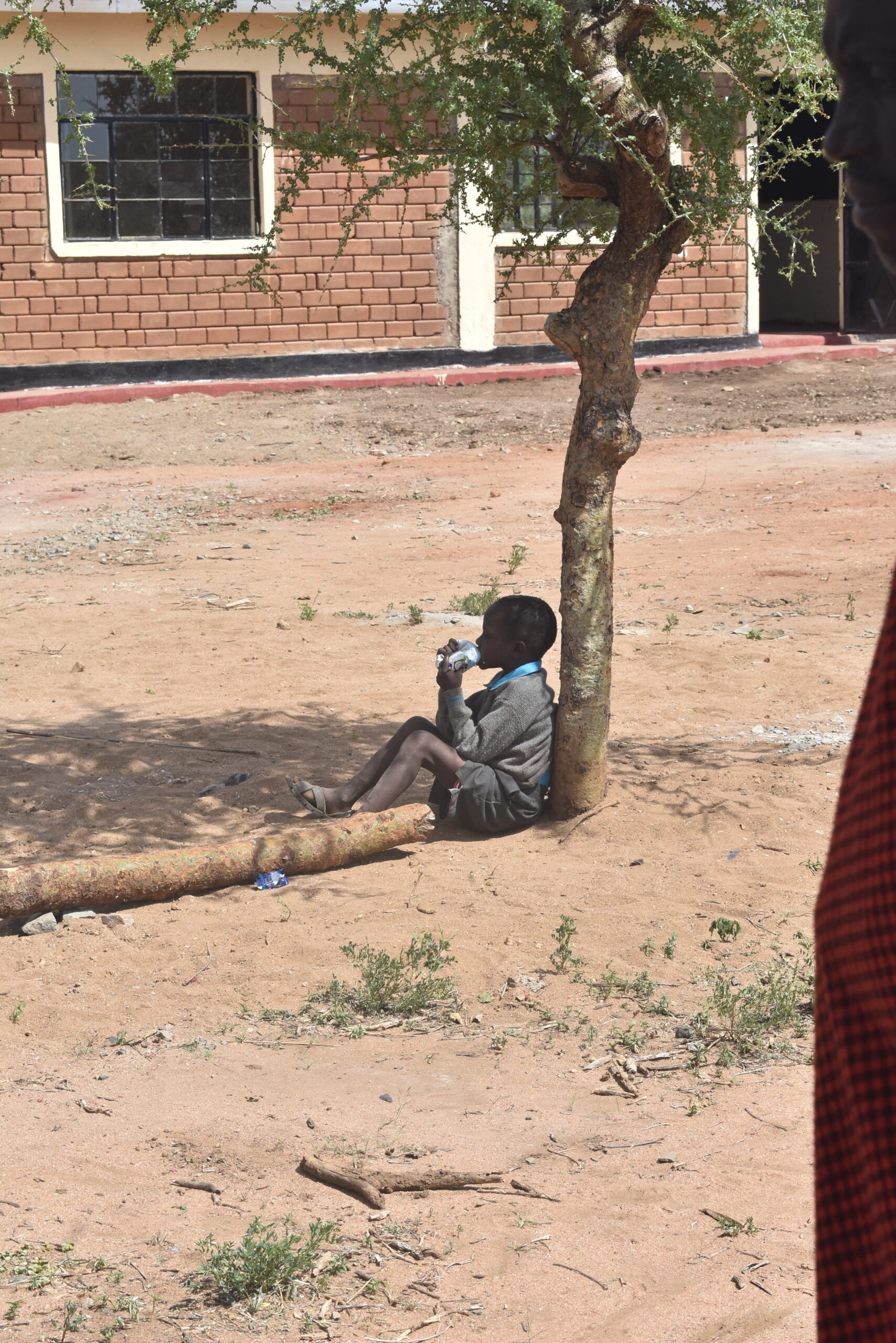
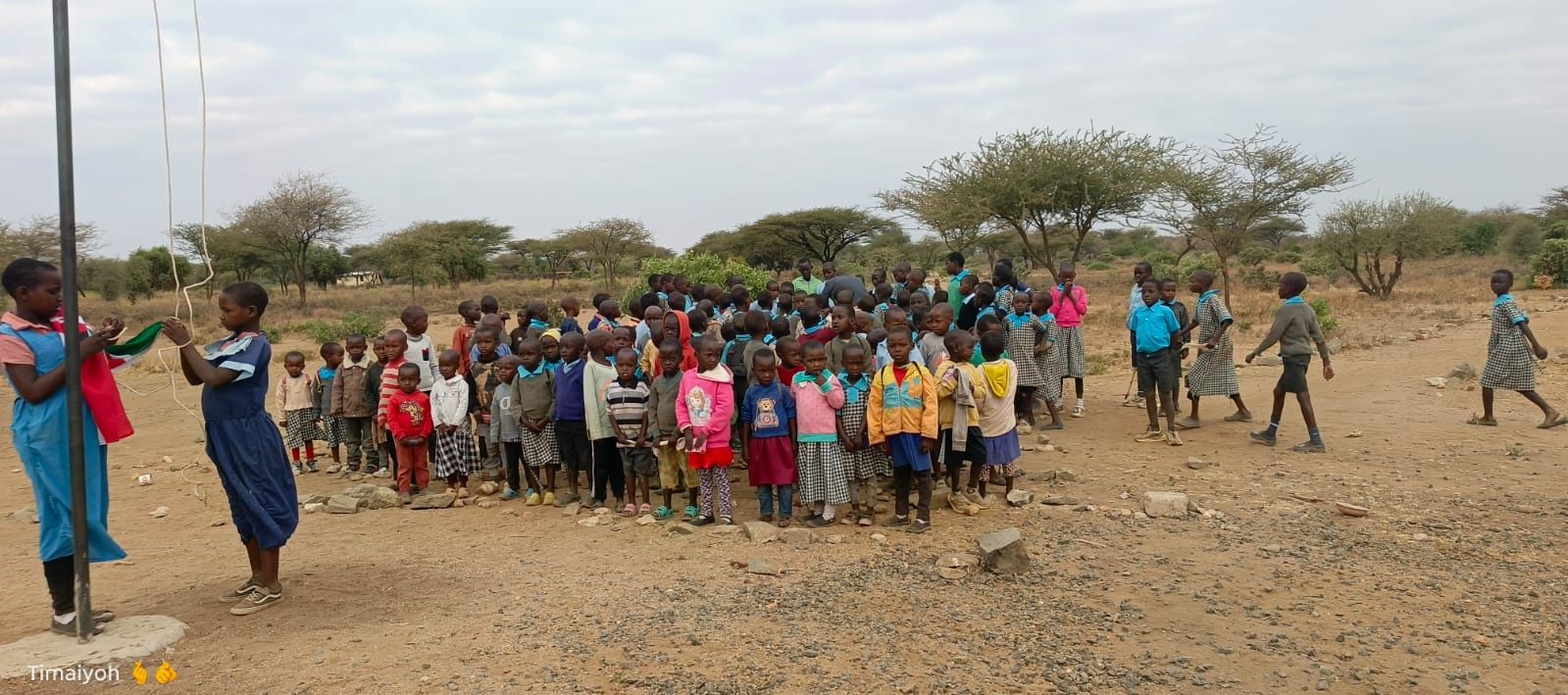
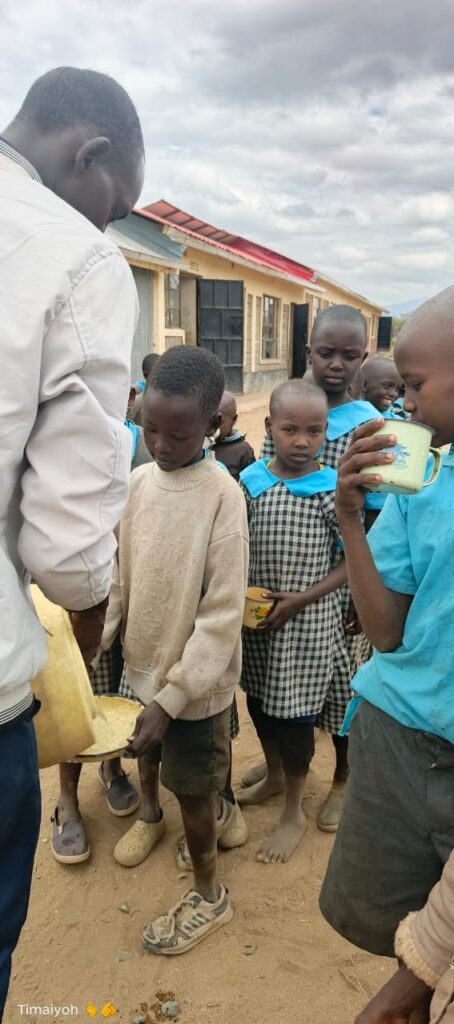
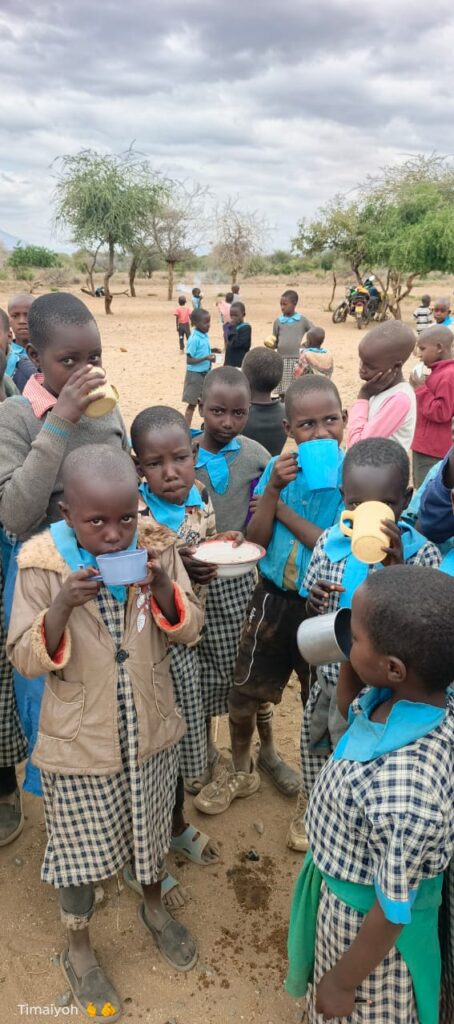
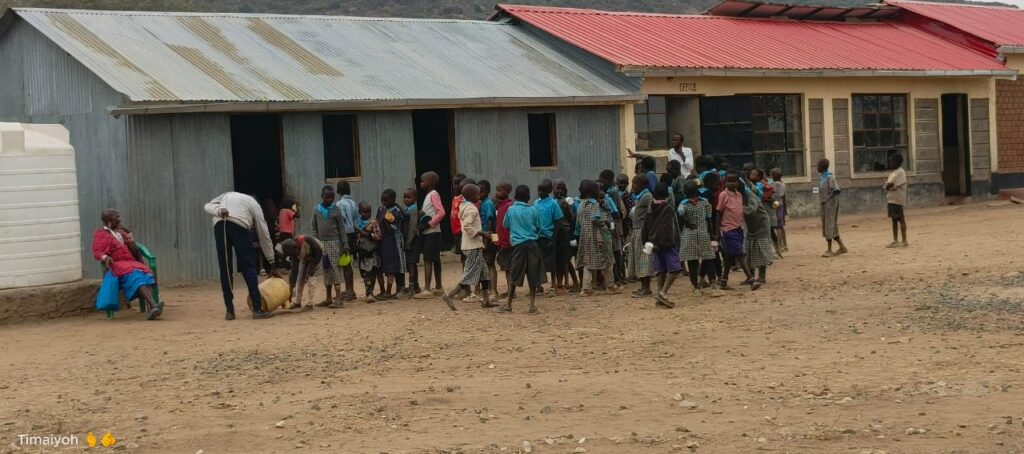
Vee Osiligi Primary School is not just a place of learning. It is a last line of defense against early marriages, child labor, and lost futures. Every resource it lacks tells a story, but every photo captured—children lining up for water, drinking from cups, standing in unity—speaks of potential.

Yet every morning, Osiligi’s children line up with cups in their hands, not just for hydration but for dignity. In the only functioning water tank, a few drops remain, gathered from donations and rationed carefully. In a recent photograph, a line of dusty, smiling, hopeful children waits for their turn. This simple ritual of water has turned into their ceremony of survival. 
The school’s teachers are heroes in everyday clothes. Without books, proper classrooms, and often even chalk, they keep going. Each lesson they teach stands against the odds. They cover not just reading and math, but also strength, compassion, and belief. Still, it is clear that they are stretched too thin. Osiligi needs more classrooms, a library filled with stories the children haven’t heard, science kits, pencils, maps, and dreams displayed on the walls. 

Many students find themselves at a crossroads. With no nearby secondary school and a long road ahead filled with real dangers—snakes, wild animals, and the increasing pressure to abandon childhood for chores or marriage—the path forward narrows quickly. Some girls are pulled away too soon, traded into early marriages due to poverty. Boys are taken to tend livestock. Both carry dreams that fade with each missed class. 

But there is a chance to change this story. A borehole could provide clean, life-saving water not only to the school but also to the entire community. With water would come a school garden, a feeding program, and renewed enrollment. A kitchen could offer food and hope in every spoonful. A small health facility near the school could protect the most vulnerable, preventing children from dying of preventable illnesses. 

This is not just a plea; it is an invitation to help shape the next chapter of a story that matters. Osiligi Primary School stands at a fragile point, between its current state and what it could become. With the right support from government agencies, donors, and everyday supporters, we can build more than just structures. We can build futures. 

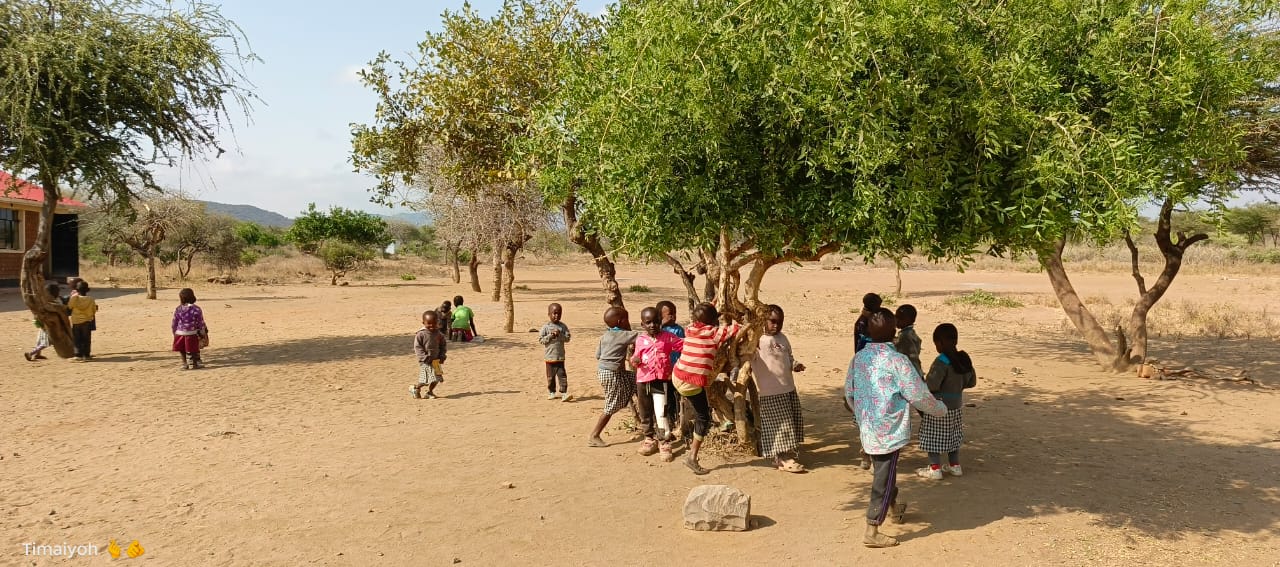
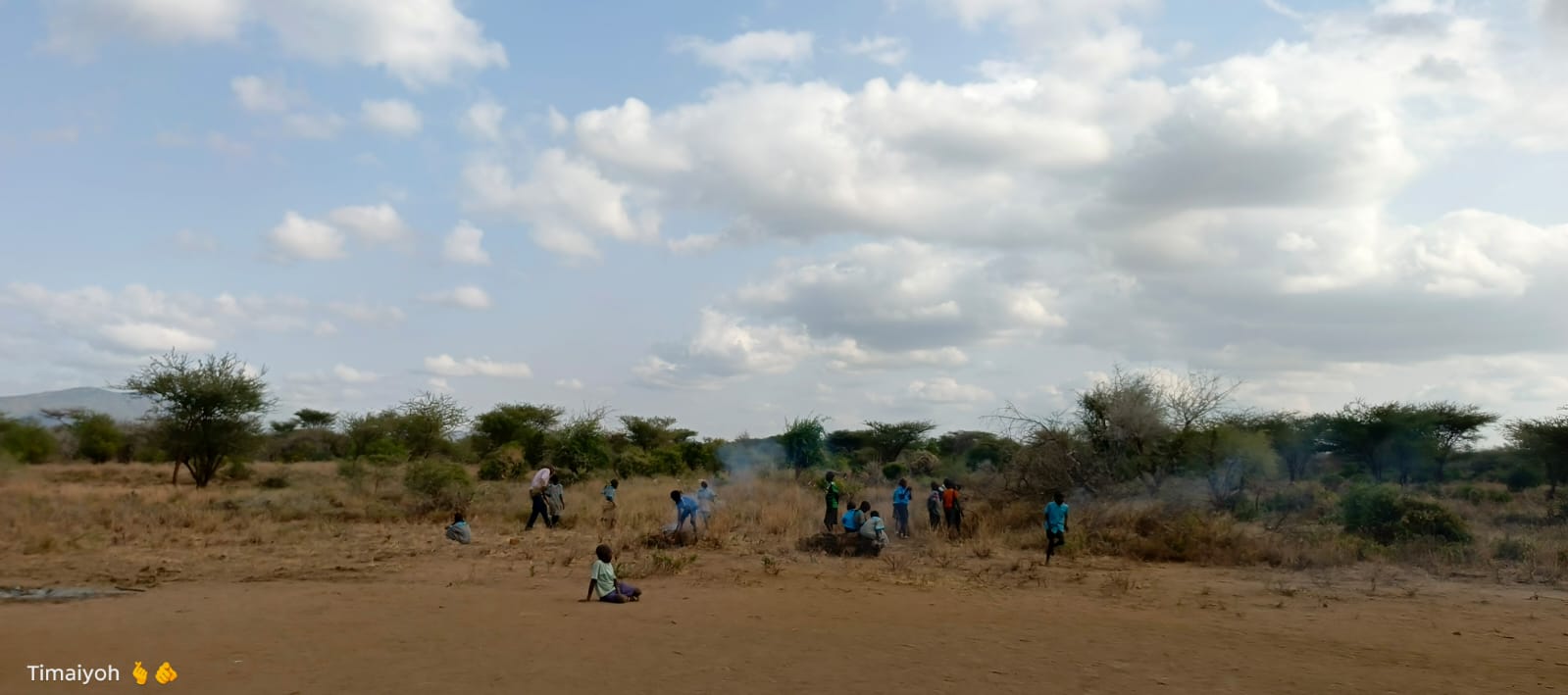
In the heart of Ilbisil, a new story is waiting to be told, one of children who stay in school, drink clean water, read books under a tree that once knew only silence, and dare to dream. Will you help us write it?